How soon can you get the keys to your new Gallatin home after you sign a contract? If you are buying a spec or semi‑custom build, the answer depends on a few local steps, the season, and how quickly decisions get made. You deserve a clear, local roadmap so you can plan with confidence. In this guide, you will see the typical Gallatin timeline from contract to keys, what affects timing, and practical ways to stay on track. Let’s dive in.
Timeline at a glance
Most spec and semi‑custom single‑family homes in suburban markets like Gallatin finish in an estimated 4 to 9 months from contract to keys when selections are made on time. Complex custom features, long permit backlogs, major change orders, or extreme weather can extend that to 9 to 14+ months. Treat these as ranges and confirm your builder’s current schedule.
Pre‑construction: contract and selections
Once you sign the contract and submit earnest money, you will finalize your design choices. Expect 1 to 6 weeks for selections like cabinets, flooring, colors, and upgrades. Builders often push for quick decisions to order materials and lock in subcontractors.
What you can do now:
- Ask for a written milestone schedule with estimated dates.
- Confirm selection deadlines and what happens if you miss one.
- Get allowances and any addenda documented in writing.
Permits and HOA approvals
Your lot’s location dictates the permitting path. Homes inside Gallatin city limits follow City of Gallatin procedures, while unincorporated areas use Sumner County codes. If your community has an HOA or architectural review, that adds another approval step. Plan for 2 to 8 weeks for permits and HOA review.
What to verify:
- Which authority governs your lot (city vs. county).
- Who submits HOA materials and how long review typically takes.
- How permit timing is built into your builder’s schedule.
Site work and foundation
After permits, crews clear and grade the lot, set erosion controls, and pour footings and foundation. In Middle Tennessee, rain or freezing snaps can delay pours and curing. Typical duration is 2 to 4 weeks, depending on site complexity and weather.
Framing and rough‑ins
Framing builds the shell, then wrap and windows go in. This phase typically takes 2 to 5 weeks. Next, plumbers, electricians, and HVAC teams install rough systems and schedule inspections, which usually adds 2 to 6 weeks. Inspection availability and crew scheduling drive this stage.
Insulation and drywall
Before insulation, many builders allow a pre‑drywall inspection that checks framing and rough systems. Then insulation is placed and drywall is hung and finished. Expect 1 to 4 weeks depending on inspector access and crew coordination.
Pro tip for peace of mind:
- Consider hiring an independent inspector for the pre‑drywall review and again before closing. A written report with photos helps verify quality and specs.
Finishes and exterior completion
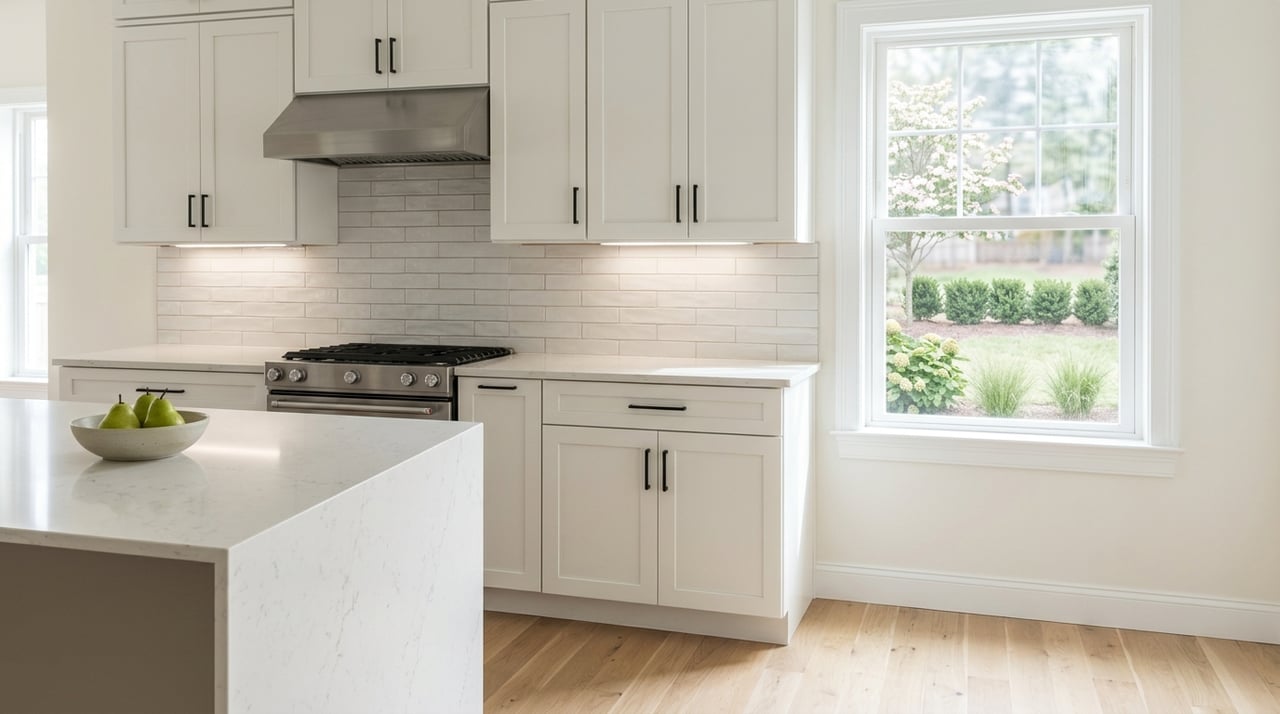
This is where your selections come to life: paint, cabinets, countertops, flooring, trim, and exterior siding or stone. Driveways, sidewalks, and early landscaping often start here. Plan for 4 to 8 weeks. Complex finishes or late changes can add time.
Ways to avoid slowdowns:
- Confirm product lead times during selections.
- Choose in‑stock alternatives if timing is critical.
- Get written schedule impacts for any change order.
Punch list, inspections, and CO
Near the end, your builder will create a punch list and complete final building inspections. Once everything passes, the authority issues a Certificate of Occupancy. This phase usually runs 1 to 3 weeks, depending on inspection calendars and punch‑list size.
Closing, funding, and keys
After final builder sign‑off, your lender clears remaining conditions, orders any required final inspection, and prepares closing. Expect 1 to 2 weeks from sign‑off to funded closing. Many lenders now support eClosing and remote notarization, so ask what can be handled digitally to keep you moving.
Local factors that shape timing
Gallatin sits within a fast‑growing Nashville metro, and a few local realities can move your date forward or back:
- Jurisdiction: City of Gallatin vs. Sumner County processes differ. Confirm which office governs your lot.
- Seasonal weather: Winter freezes and spring storms can delay site work and exterior finishes. Spring and fall often run more smoothly.
- Utility scheduling: Meter sets and hookups for electric, gas, water, and sewer can add days to weeks if calendars are tight.
- Builder backlog: High demand can stretch crew schedules across multiple projects.
Practical 24‑week example
Use this sample as a roadmap to understand the sequence and where you will engage. Timelines vary by builder and season.
- Week 0: Contract signed and deposit submitted.
- Weeks 0 to 2: Selections window; finalize standard choices.
- Weeks 1 to 6: Permit and HOA review (often overlaps with selections).
- Weeks 4 to 8: Site work and foundation.
- Weeks 6 to 12: Framing and rough mechanical, electrical, and plumbing.
- Weeks 10 to 14: Insulation, drywall, and interior paint.
- Weeks 14 to 20: Finish carpentry, cabinets, countertops, flooring, and exterior work.
- Weeks 18 to 22: Final punch list, inspections, and Certificate of Occupancy.
- Weeks 20 to 24: Lender clears conditions, final walk‑through, closing, and keys.
Contract checklist to set expectations
Ask your builder to include these items so everyone is aligned on schedule and scope:
- Milestone schedule with estimated dates for permits, foundation, framing, rough‑ins, drywall, substantial completion, and closing.
- Selection deadlines and allowances, with clear consequences for missed dates.
- Change‑order process, pricing, deadlines, and written schedule impact before approval.
- Remedies for unreasonable delay or a realistic buffer for weather and permits.
- Financing contingencies, appraisal timing, and lender inspection needs.
- What counts as substantial completion, how the punch list is handled, and when the warranty starts.
Remote oversight that reduces risk
If you are relocating or traveling, you can still keep a close eye on your build. Structure simple systems early:
- Weekly photo or video updates with date stamps and set camera angles for key rooms and systems.
- A short progress email listing last week’s work and the next week’s plan.
- Third‑party inspections at pre‑drywall and before closing with written reports and photos.
- Shared folders or construction apps to document selections, change orders, and approvals.
- Ask your lender and title company about eClosing options to minimize last‑minute travel.
Common delays and smart moves
Stay ahead of predictable slowdowns with a few proactive steps:
- Permitting or inspection backlog: Confirm the governing office and ask your builder how they account for current turnaround times.
- Materials and appliances: Verify lead times during selections; consider in‑stock choices if the date matters.
- Labor gaps: Ask about subcontractor scheduling and backup crews.
- Weather and site access: Build in realistic buffers, especially during wetter or freezing months.
What you control vs. builder tasks
Understanding your role keeps things moving:
- Your controls: Make selections on time, approve change orders in writing, keep lender documents current, and schedule independent inspections.
- Builder tasks: Manage permits and inspections, coordinate trades, order materials, and communicate schedule changes promptly.
Ready to build in Gallatin?
You do not have to navigate construction timelines alone. With a construction‑management background and proven remote build oversight, I will help you set realistic dates, verify quality at key milestones, and keep your lender and builder aligned. If you are planning a move to Sumner County, let’s map your timeline together. Connect with Jacqueline Brown to Book a Call.
FAQs
How long from contract to keys for a Gallatin new build?
- Most spec or semi‑custom homes finish in an estimated 4 to 9 months, depending on permits, weather, selections, and builder scheduling.
Who handles permits and inspections in Gallatin or Sumner County?
- The builder typically manages applications and inspections; you should confirm whether your lot follows City of Gallatin or Sumner County procedures and any HOA approvals.
Can I change design selections after construction starts?
- Yes, but expect a formal change order with added cost and possible delays; get the time and cost impact in writing before approving.
How do lenders affect my closing date on a new build?
- Lenders need an appraisal and cleared conditions and may require a final inspection; these steps can add days to weeks near the end.
What local factors most often delay Gallatin builds?
- Seasonal weather, utility connection scheduling, permit or inspection backlogs, and regional builder workload in the Nashville metro.
Are remote options available for closing on a Gallatin new build?
- Many lenders and title companies support eClosing or remote notarization; confirm what is allowed for your specific loan and title company.