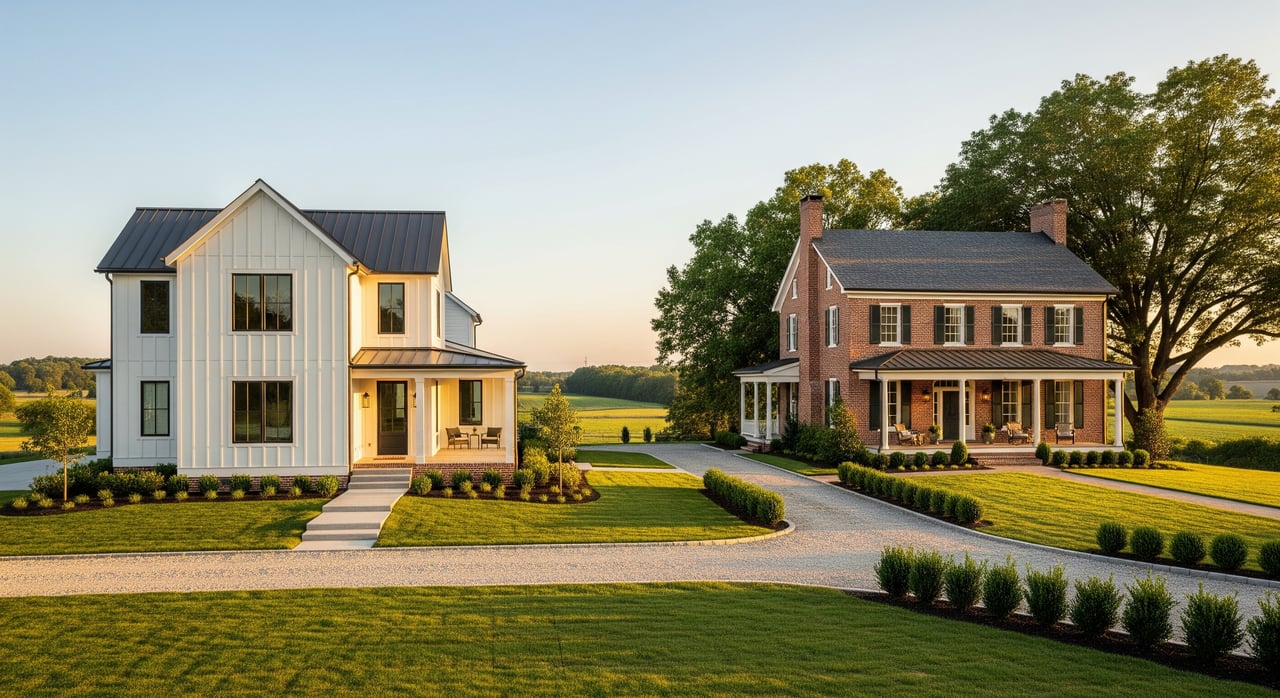
Trying to decide between a brand-new build and a resale home in White House? You’re not alone. Your move date, budget, and how much you want to customize should guide your choice. In this guide, you’ll learn how timelines, costs, maintenance, warranties, inspections, financing, and HOAs stack up in White House so you can buy with confidence. Let’s dive in.
White House market snapshot
White House sits just north of Nashville and straddles Robertson and Sumner counties. Growth in Middle Tennessee has fueled steady subdivision development, so you’ll see both new neighborhoods and established streets with older homes. Proximity to I-65 and local schools influences demand and pricing across different parts of town. Build schedules can also be affected by local permitting timelines and municipal requirements, which vary by jurisdiction.
Move-in timeline
New construction can take several weeks for a finished spec home or 6 to 12 months or more for a ground-up build. Custom selections, change orders, weather, inspections, utilities, and permits can extend the schedule. Builder contracts usually include estimated completion windows; liquidated damages are uncommon, so plan for some flexibility.
Resale homes typically close in 30 to 60 days from contract to keys. That speed can help if you have a firm move date. If a seller needs extra time, a short rent-back after closing may be an option.
Total cost to own
New construction pricing starts with a base price, then adds the lot, design upgrades, and items like landscaping and driveway finishes. Builder incentives such as closing cost help or rate buydowns can reduce upfront cash or monthly payments. New builds may have initially lower assessed values before reassessment, but long-term property taxes follow county schedules.
Resale pricing often includes mature landscaping and established lots. After inspection, you can negotiate for repairs or credits. Factor in potential near-term projects such as roof, HVAC, or electrical work when comparing your total move-in cost.
Maintenance and warranties
Brand-new systems, appliances, windows, and roofs mean lower near-term maintenance with new construction. Many builders offer a common warranty structure: about 1 year for workmanship, 2 years for major systems, and up to 10 years for structural coverage. Coverage varies by builder, so review the exact documents and any third-party warranty provider details.
Resale homes come with more unknowns. A thorough inspection helps you budget for near-term repairs. You will not have a builder warranty, but you can purchase a home warranty policy for the first year to cover certain systems and appliances.
Personalization and control
If you buy early in the build cycle, you can choose finishes and sometimes floor plan options. Spec homes limit choices but speed up move-in. Custom builds provide the most control and usually add time and cost. Plan for design center upsells and set a realistic upgrade budget.
With a resale home, you can update at your own pace. Cosmetic changes are straightforward, and larger renovations can be phased over time. Renovation financing options, such as FHA 203(k) or Fannie Mae HomeStyle, may help fund bigger projects if you qualify.
Resale value drivers
New construction appeals to many buyers due to energy efficiency and low maintenance. In planned communities with amenities and consistent design standards, resale demand can be strong if buyers prefer that style of neighborhood.
Resale homes in established areas may offer larger lots, mature landscaping, and more architectural variety. Long-term value in White House tends to follow fundamentals such as commute time, lot size, and neighborhood demand rather than age alone.
Inspections, disclosures, and contingencies
Even new homes benefit from independent inspections. Consider a pre-drywall inspection, a final inspection, and a detailed punch-list walkthrough. Some builder contracts limit inspection contingencies or remedies, so understand your rights before signing.
Resale purchases typically include a home inspection contingency. Depending on age and condition, you may add pest, sewer scope, or radon tests. Tennessee disclosure laws require sellers to share known issues, and repair records can help you evaluate risk.
Financing basics
For ground-up builds, you might use a construction-to-permanent loan or a one-time close construction loan. These loans have stricter underwriting, draws tied to build progress, and sometimes higher short-term rates before conversion.
For resale or completed spec homes, conventional, FHA, and VA loans are common. Appraisal and financing timelines can influence your closing speed. If renovations are planned, eligible buyers can explore FHA 203(k) or HomeStyle products.
HOA and restrictions
Many new subdivisions in White House include HOAs with monthly assessments, covenants, and architectural guidelines. These can cover community amenities and influence exterior changes. Older resale neighborhoods may or may not have an HOA. Include assessments when you compare monthly housing costs across options.
Quick decision checklist
Use these questions to identify your best fit:
- Timeline: Do you need keys in 30 to 60 days? If yes, focus on resale or a finished spec home. If you can wait 6 to 12 months or more, a new build fits.
- Budget: Can you manage upgrade costs, lot premiums, and possible price changes during selections? If not, a resale may offer more predictability.
- Risk tolerance: Prefer brand-new systems and fewer unknowns? Lean new construction. Prefer established neighborhoods and immediate occupancy? Lean resale.
- Personalization: Want your finishes and layout options? Buy new early in the process or plan a renovation on a resale.
- Near-term cash needs: Want minimal maintenance for the first few years? New construction helps you conserve cash.
- Resale strategy: Prioritize lot size, commute times, and neighborhood trends; age is only one factor.
- Financing comfort: Are you ready for construction lending complexity? If not, consider resale or a completed spec home.
- Negotiation leverage: Expect builder incentives on new homes and repair credits on resale after inspection, depending on market conditions.
How to tour new construction
Bring a trusted buyer’s agent to the model home and ask for specifics in writing. Focus on:
- Warranty details, coverage periods, and the claim process
- Estimated completion window and what happens if it slips
- Lot premiums, allowance budgets, and a full upgrade price list
- HOA documents, covenants, and monthly assessments
- Builder references and examples of past warranty responses
Inspect and verify:
- What is standard in the model versus paid upgrades
- Energy features like insulation, HVAC efficiency ratings, and window specs
- Community infrastructure status, including roads, sidewalks, and street lighting
Bring your pre-approval and confirm loan compatibility with the builder’s timeline. Independent inspections are still recommended at key stages.
How to tour resale homes
Ask for:
- Seller disclosures and recent repair or inspection records
- Utility cost history and property tax history
- Neighborhood comparables and recent nearby sales
Inspect and verify:
- Age and condition of roof, HVAC, water heater, and electrical panel
- Signs of deferred maintenance, including grading and drainage
- Lot lines, easements, and whether the home is on septic or city sewer
If you are serious, schedule inspections quickly. Keep your buyer’s agent and lender looped in to move fast on a strong property.
What fits your situation
If you need a fast move and value predictability, start with resale and finished spec homes. If you want to personalize and minimize early maintenance, new construction could be the better path. In White House, both options are active, and the best choice depends on your timing, budget, and comfort with construction.
If you want an advocate who understands construction schedules, inspections, and builder contracts, and who can handle weekly remote check-ins during a build, connect with Jacqueline Brown. Book a call to compare on-market resales and the best new communities for your needs.
FAQs
Is new construction always more expensive in White House?
- Not always. Base prices can be competitive, but upgrades, lot premiums, and community fees add up. Compare total move-in cost, including landscaping and window treatments.
Do new-home warranties cover everything in White House?
- Most reputable builders offer a common 1-2-10 structure, but coverage varies. Get the warranty in writing and review what workmanship, systems, and structural items include.
Should you inspect a brand-new home in White House?
- Yes. Independent pre-drywall and final inspections help catch issues early and complement, not replace, the builder’s warranty.
How long does a new build take in White House?
- A finished spec home can be move-in ready in weeks; a ground-up build often takes 6 to 12 months or more due to selections, weather, inspections, utilities, and permits.
What loans work for custom new builds near White House?
- Construction-to-permanent and one-time close construction loans are common and have stricter requirements. Builders may also offer preferred lender incentives on completed homes.
If you need to move fast in White House, what should you buy?
- Target resale homes or completed spec homes. Typical closings run about 30 to 60 days, depending on financing and contract terms.