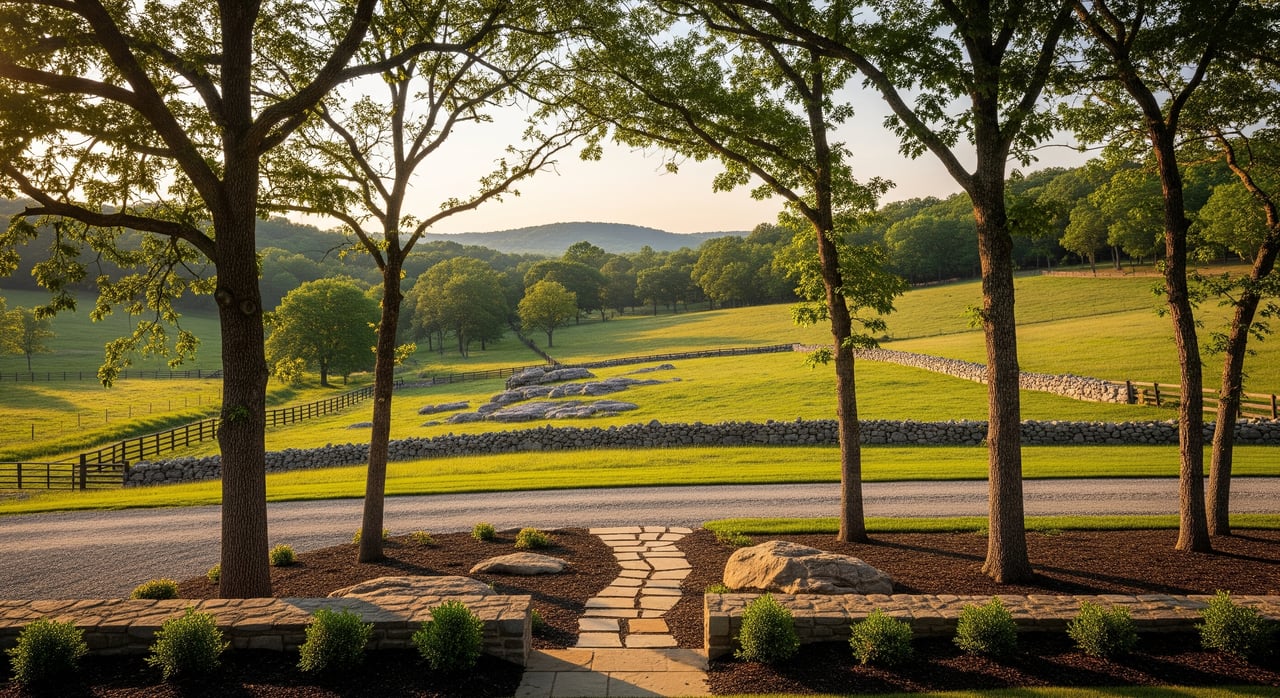
Looking at Brentwood lots and wondering which one will set you up for a smooth build and a comfortable long-term fit? You are not alone. Choosing the right homesite is one of the most important decisions you will make in new construction, especially in a market with hills, limestone, and active development. In this guide, you will learn how to assess orientation, slope, drainage, utilities, and nearby uses so you can shortlist with confidence and avoid costly surprises. Let’s dive in.
What makes Brentwood lots unique
Brentwood sits in Williamson County just south of Nashville, with a mix of luxury gated neighborhoods, phased master-planned communities, and semi-custom lots carved from larger tracts. Some phases build out over several years while nearby parcels remain vacant. That is why it is smart to confirm whether a lot is within a finished phase, an upcoming phase, or an established area with mature infrastructure.
Local climate also matters. Middle Tennessee’s warm, humid summers and frequent short, heavy rain events make drainage design and erosion control a priority during and after construction. For context on rainfall patterns, review the latest NOAA climate normals.
The region’s limestone bedrock can create shallow rock, karst features, and uneven soils. These conditions affect excavation, foundations, and drainage, so a geotechnical review is essential for steep or luxury builds. You can learn more about regional geology from the USGS.
Lot orientation essentials
Orientation shapes how your home lives every day. Think about daylight, views, outdoor living, and energy comfort.
Sun and main living areas
- South-facing rear yards capture more winter sun and brighten main living spaces.
- North-facing rears receive less direct sun and may feel cooler. In summer, plan shade with porches, overhangs, or deciduous trees.
- Walk the lot at different times to see morning and evening light where you expect your kitchen, family room, and primary suite.
Driveway, garage, and layout
- A lot that forces a long or steep driveway can add paving, retaining, and snow/ice management needs.
- Check if the lot supports side-entry or courtyard garages without eating into your yard.
- Confirm you can place a pool or outdoor kitchen where you want and still meet setbacks and easements.
Views and wind
- Ridge or high-side lots may offer views and breezes but can need more engineering.
- Valley or low-side lots often feel private but may concentrate runoff and morning fog. Review the grading plan to understand how water moves across the site.
Slope, grading, and buildability
Slope is one of the biggest cost drivers in Brentwood. Gentle lots reduce earthwork, retaining walls, and complex foundations.
Why slope increases cost
- Steeper sites often need engineered foundations, retaining walls, and driveway design that manages stormwater.
- Cut and fill to achieve level pads can increase trucking and erosion control.
- Shallow rock adds the possibility of rock removal and specialized footings.
What to review up front
- A topographic survey with contours and existing tree locations.
- The builder’s grading plan showing cut and fill, finished floor elevations, and driveway slopes.
- A geotechnical letter or borings to confirm bearing soils and rock depth.
Drainage and stormwater control
Brentwood’s short, heavy rains make drainage a top priority. Good design protects your home, yard, and neighbors.
Floodplain and overland flow
- Verify whether any part of the lot is affected by a flood hazard zone using the FEMA Flood Map Service Center.
- Even outside mapped flood zones, look for swales, low spots, and overland flow paths. See how runoff will be routed to the street, a swale, or a detention area.
- Ask for the site drainage plan and any stormwater management details from the developer or builder.
HOA controls and maintenance
- Many new neighborhoods route runoff to shared detention basins. Confirm who maintains them over time.
- Local stormwater and land-disturbance requirements apply during construction. For rules and permits, check the City and County engineering channels: City of Brentwood and Williamson County. State guidance is available from TDEC.
Utilities and wastewater
Know where services are and whether any constraints affect the house plan or schedule.
- Confirm availability and location of water, sanitary sewer, electric, gas, and fiber. Ask for utility availability letters and estimated tap or impact fees.
- In fringe areas, septic may be required or available as a temporary solution until sewer extends. Septic needs suitable soils and clear space for the field, which can limit pool or patio placement.
- Note utility easements. They can reduce usable yard and limit trees, fences, and future structures.
Easements, setbacks, and covenants
The recorded plat and HOA documents define what you can build and where.
- Review utility, drainage, conservation, and access easements on the plat. These cannot be built over and may affect pools and outbuildings.
- Check front, side, and rear setback lines and any height or material rules in the CC&Rs.
- Obtain a boundary or ALTA survey during contracting to confirm there are no encroachments.
Privacy, noise, and adjacent uses
Your lot’s surroundings are part of its value.
- Trees, buffers, and home placement influence privacy. Walk the boundaries and look from neighboring lots toward your expected outdoor spaces.
- Proximity to I-65, arterials, or future commercial sites can bring traffic and noise. Check current zoning and approved plans through City of Brentwood Planning & Codes and Williamson County Planning.
- Monitor road projects using TDOT schedules. Even a small widening can change sound and access.
Shortlist workflow and documents
Follow this simple process to move from broad interest to a confident lot choice.
Initial screen
- Confirm subdivision, zoning, lot size, and general orientation fit your goals.
- Request utility availability letters for water and sewer. Clarify any planned extensions.
- Pull the recorded plat to spot major easements and building setback lines.
Essential documents to request
- Recorded plat and legal description
- Preliminary or final site plan for the lot
- Topographic survey with trees and contours
- Geotechnical borings or a subsurface letter
- Grading and stormwater management plan
- HOA CC&Rs and architectural guidelines
- Title report with exceptions and recorded easements
- FEMA FIRM map printout or local floodplain determination
On-site checklist
- Visit at different times to assess sun, noise, and views.
- After rain if possible, observe how water moves and where it ponds.
- Identify tree size and location versus the building envelope.
- Measure driveway grade and think about daily access and winter safety.
- Note nearby parcels and ask about pending phases or plats.
Cost drivers to watch
A beautiful lot can still carry invisible costs. Flag these early.
- Grading and earthwork on sloped or uneven sites
- Retaining walls and specialized foundations
- Rock excavation where bedrock is shallow
- Utility extensions or offsite improvements
- Stormwater features and long-term maintenance responsibilities
- Landscape restoration and required tree mitigation
These items can add tens of thousands to a build compared to a gentle, ready-to-go lot. Get real estimates tied to actual surveys and reports before you finalize pricing.
Common mistakes buyers make
Avoid these pitfalls that often lead to delays or budget surprises.
- Skipping geotechnical work and discovering poor soils or shallow rock during excavation
- Ignoring easements that limit a pool, play yard, or outdoor kitchen
- Assuming sewer is available and later learning septic is required
- Underestimating retaining walls and driveway engineering on steeper lots
- Forgetting about construction access and staging on tight sites
Why a construction-savvy buyer’s agent helps
A lot decision is both technical and personal. You want someone who can translate plans into real costs and daily comfort.
How expert representation adds value
- Interprets topographic surveys, geotech findings, and grading plans in plain language
- Coordinates early with civil and geotechnical pros to identify constraints and options
- Negotiates lot price adjustments or builder credits when site conditions increase costs
- Reviews CC&Rs, builder guidelines, and construction protocols to protect your timeline
- Builds in smart contingencies for soils, utilities, and site plans before you are locked in
Deliverables to expect
- Copies of available geotech and topo reports
- Written list of lot inclusions and exclusions from the builder
- Utility availability with estimated tap or impact fees
- Verified easement locations on a current survey
- A summary of pending applications or future phases on adjacent parcels
Real-world examples
- Borings reveal shallow rock. Your agent uses the report to secure a builder credit or to pivot to a different lot that avoids a major excavation bill.
- Reviewing the plat surfaces a rear drainage easement that prohibits a pool. You adjust your plan before earnest money is at risk.
Your next steps in Brentwood
- Check FEMA maps and request the site drainage plan to understand runoff and flood risk. Start with the FEMA Flood Map Service Center.
- Verify zoning and active applications through City of Brentwood Planning & Codes or Williamson County Planning.
- Review climate context from NOAA and state stormwater guidance via TDEC.
- Order or obtain a geotechnical review and a topographic survey.
- Ask your builder and civil engineer to produce a grading plan with finished floor elevations, driveway grades, and any retaining walls.
- Confirm CC&Rs, setbacks, and easements align with your house plan and outdoor living goals.
Ready to shortlist with a clear, construction-forward plan and remote-friendly communication if you are out of town? Reach out to Jacqueline Brown to walk lots, review reports, and build a smart offer strategy.
FAQs
How do I check a Brentwood lot for flood risk?
- Use the FEMA Flood Map Service Center and request the builder’s grading and stormwater plan. Visit after heavy rain to see on-the-ground drainage.
What if my preferred lot might need septic?
- Verify service with the City or County utility providers. If septic is required, confirm soils, setbacks, and field locations since they can affect pool or patio placement.
How much extra can a sloped lot add?
- Costs vary based on slope, rock, and soils. Get geotechnical borings and a grading estimate early. Sloped sites often require retaining walls and engineered foundations.
Which orientation is best for outdoor living?
- Many buyers prefer a south-facing rear for winter sun and light in main living areas. Plan shade for summer comfort using porches, overhangs, or trees.
What documents should I request before contracting on a lot?
- Recorded plat, CC&Rs, topo survey, geotech report, grading and drainage plan, utility availability letters, title report, and a FEMA FIRM map review.