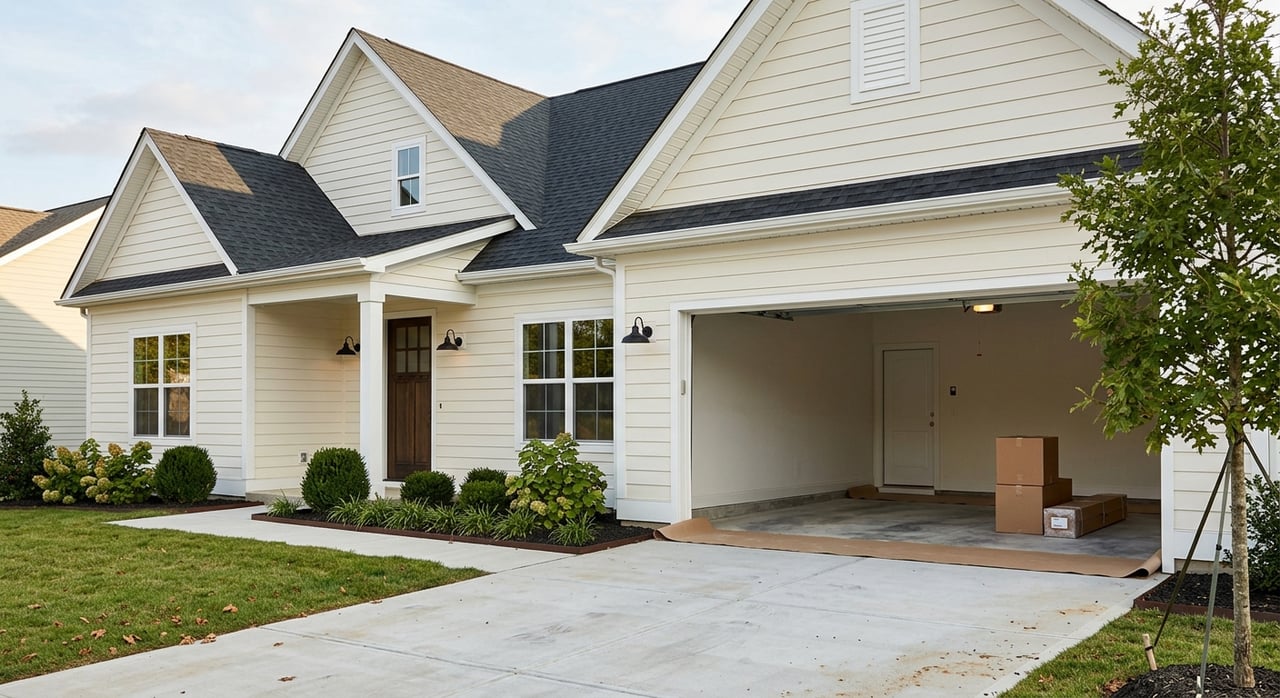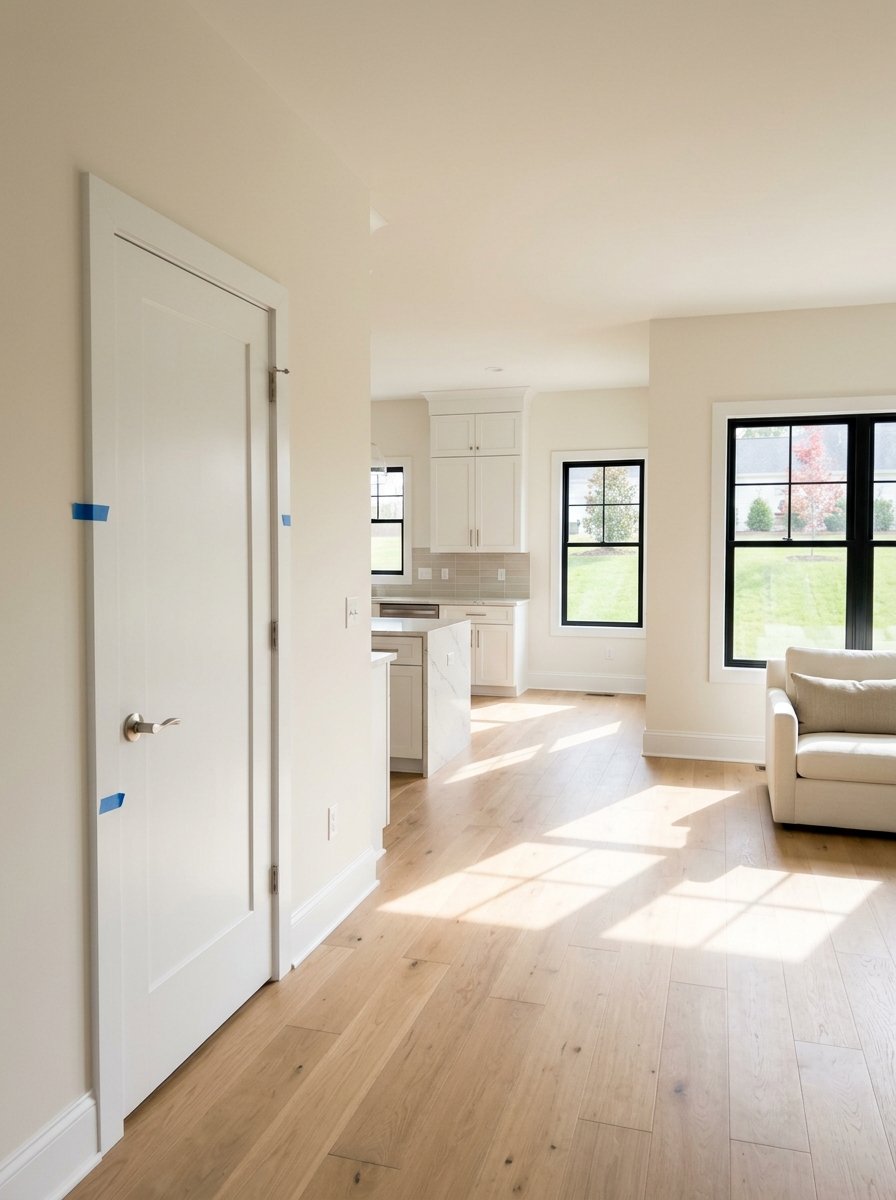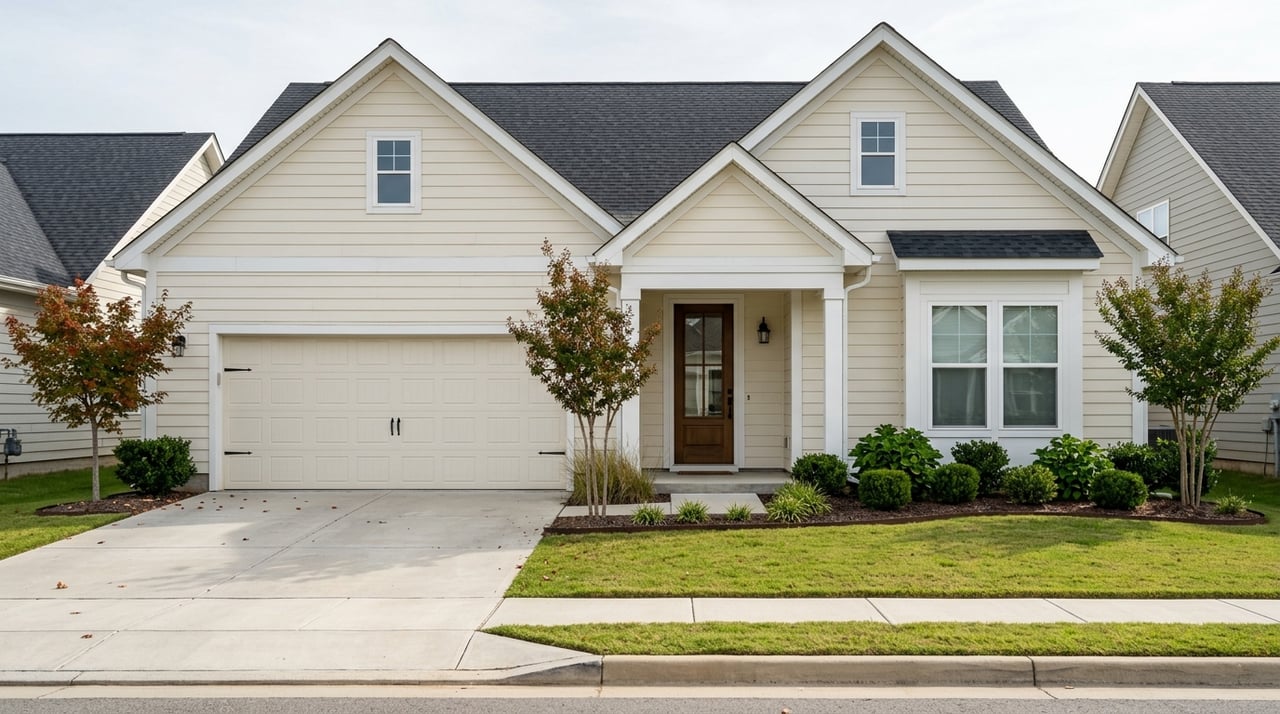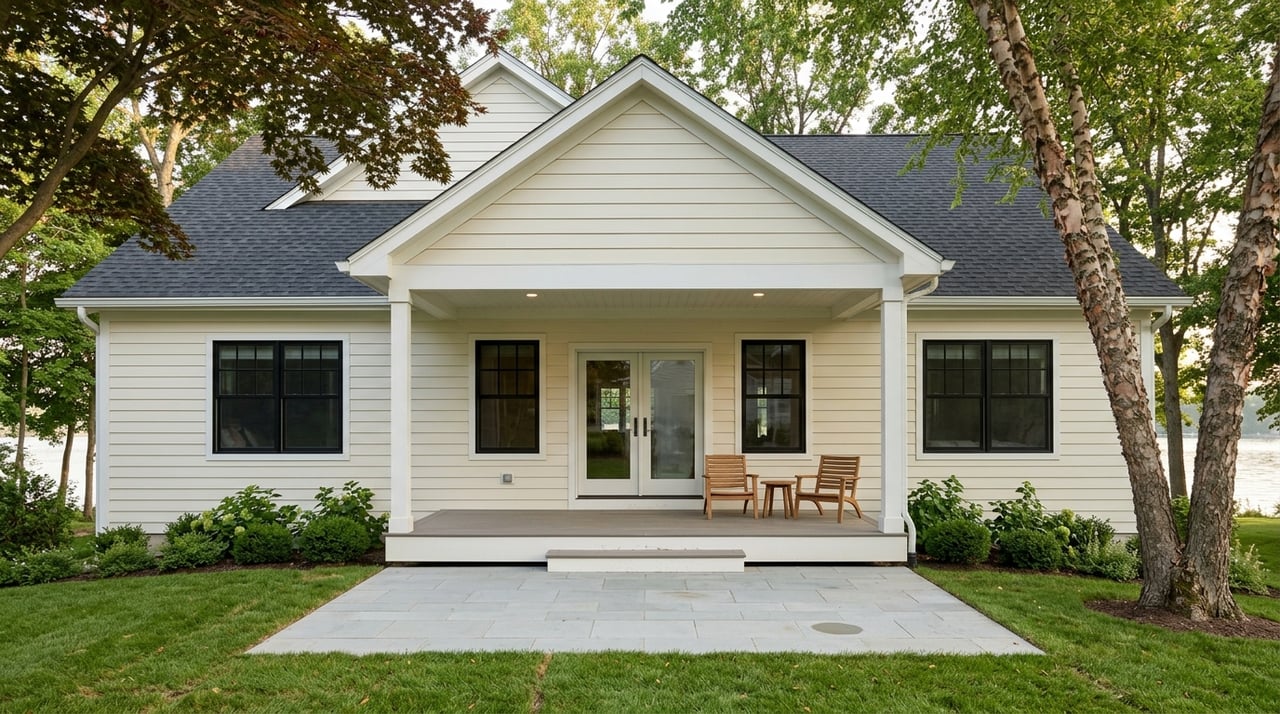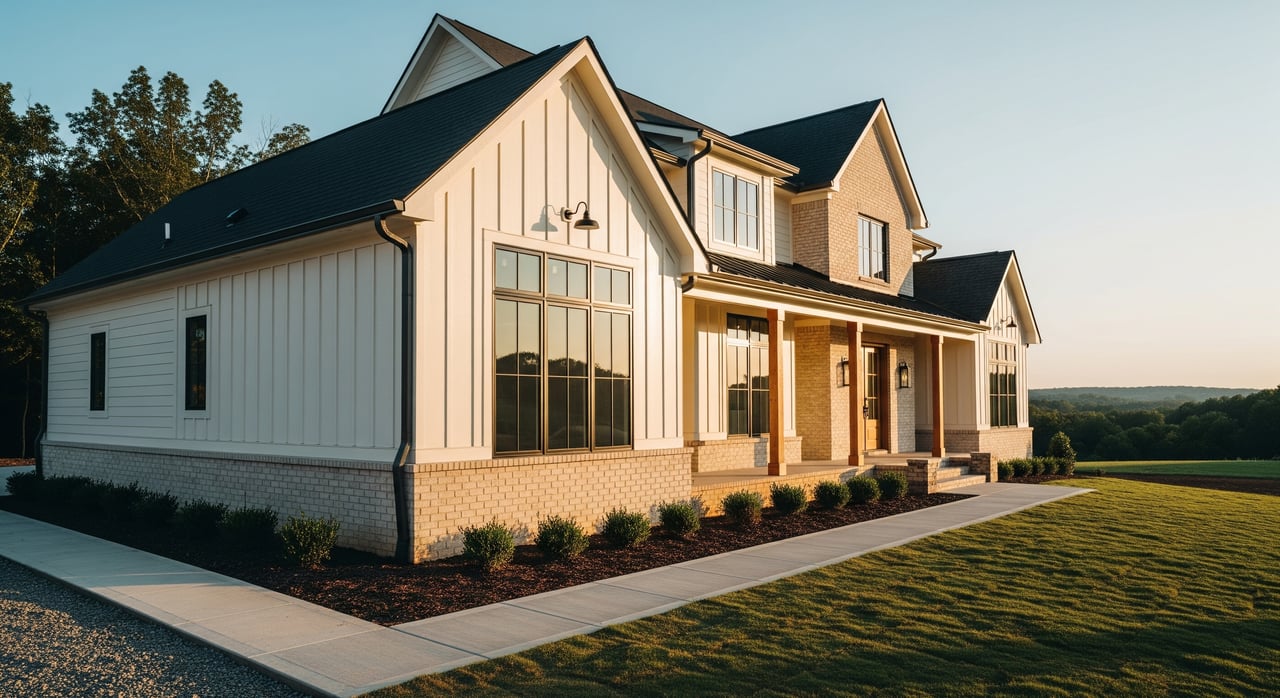
Are you building a new home in Lebanon and wondering how the appraisal will work when there are few recent sales to compare? You are not alone. New-construction appraisals can feel confusing, and the value can impact your loan, cash-to-close, and timeline. In this guide, you will learn what appraisers look for, when your appraisal happens, why values sometimes come in low, and how to plan with confidence. Let’s dive in.
What a new‑construction appraisal is
A new‑construction appraisal gives your lender an independent opinion of market value before they fund your mortgage. It confirms the home is worth at least the amount the lender will lend. Your loan amount, down payment, and appraisal contingency all hinge on this value.
Appraisers follow national standards and lending rules. Lenders use investor guidelines from programs such as Fannie Mae and Freddie Mac, and government programs like FHA and VA. Appraisers must also comply with USPAP and Tennessee licensing rules. These frameworks guide how a new home is inspected and valued.
Mortgage appraisal vs. tax assessment
The Wilson County Assessor of Property values homes for tax purposes under different rules. Those tax values are not the same as your mortgage appraisal and should not be used to predict your loan appraisal outcome.
How appraisers value new builds in Lebanon
Appraisers rely on several approaches to estimate value. For most homes, the sales comparison approach leads, supported by the cost approach.
Sales comparison approach
Appraisers search for recent closed sales of similar homes. For new builds, they often use:
- Model or spec homes in the same subdivision
- Recently completed homes in the same community
- Comparable sales from nearby subdivisions with a similar product, finish level, and lot type
If there is no perfect match, the appraiser makes adjustments for square footage, design, finishes, lot position, and age. In fast-moving markets, very recent sales carry more weight, and time adjustments may be applied.
Cost approach
For brand-new homes, depreciation is minimal, so the cost approach can provide a useful check. It estimates land value plus the cost to build the home as completed. Appraisers reference local building cost schedules and builder cost data, then confirm it aligns with how the local market behaves.
Choosing comps in Wilson County
Lebanon’s new neighborhoods can lack closed sales early in a community’s release. Appraisers may need to look at nearby towns or expand the radius to find sufficient comps. Lot premiums for views, topography, or cul‑de‑sacs are highly case specific. These can explain differences between a builder’s contract price and the appraised value. If you notice there are few recent closings in your section, expect the appraiser to lean more on the cost approach and judgment.
Tip: Ask your builder for recent Closing Disclosures for similar homes, a detailed specifications sheet, an itemized upgrade list, and lot premium documentation. Providing this to your lender helps the appraiser understand real prices and features.
When your appraisal happens
Timing depends on your loan program and construction schedule. Most purchase loans are appraised when the home is nearly complete.
As‑built or near‑completion appraisal
This is the most common scenario for conventional loans. The appraiser visits when interiors are finished and systems are operational. They measure living area, document finishes, and compare the home to comps.
Subject‑to‑completion appraisal
If a closing must occur before final completion, an appraiser can value the home “as completed” using plans and specs, then perform a final inspection before funding. FHA and VA loans often have specific minimum property requirements and completion checks that must be cleared.
Construction‑to‑permanent loans
For construction financing, lenders order an initial appraisal to value the project and may require inspections at draw stages. Some use third‑party construction inspectors for interim checks and a final appraisal when converting to permanent financing.
Who orders it and who pays
Your lender orders the appraisal, often through an appraisal management company. You typically pay the appraisal fee as part of your loan costs. Builders sometimes commission their own appraisals for pricing, but only the lender‑ordered appraisal counts for underwriting.
Appraiser independence
Appraisers must remain independent. Builders and lenders cannot influence the outcome. USPAP and lender guidelines protect this independence.
Why appraisals come in low
An appraisal gap happens when the appraised value is less than your contract price. In new construction, gaps can occur because:
- Builder pricing is ahead of recent closed sales
- Lot premiums and upgrades are not fully reflected in comps
- Rapid market shifts force reliance on older sales
- Few closed sales exist in the immediate subdivision
- The cost approach yields a conservative result compared with current list prices
What to do if the value is short
- Bring additional cash to closing to cover the gap.
- Negotiate a purchase price reduction with the builder.
- Ask for builder concessions such as closing cost credits or a rate buydown, subject to lender approval.
- Provide an appraisal gap guarantee if agreed in your contract.
- Request a lender reconsideration of value with better comps or missing data.
- In limited cases, a second appraisal may be possible, but lenders control ordering.
- Explore a different loan program or lender if appropriate.
Reduce risk upfront
- Include an appraisal contingency with clear timelines.
- Share builder documentation with your lender for the appraiser.
- Work with a lender experienced in Wilson County new construction.
- Set a realistic earnest money strategy and know your maximum additional cash if a gap arises.
- Confirm rate‑lock timing and how final inspections may affect costs.
Local realities in Lebanon and Wilson County
Lebanon sits within the broader Middle Tennessee market. Appraisers often consider nearby communities when same‑tract data is limited. New subdivisions launch in phases, so sales can be staggered and thin at first. City of Lebanon and Wilson County inspection schedules influence when a home is ready for appraisal. If delays push the appraisal earlier than ideal, the result can be less certain.
Choosing a lender that regularly closes new‑construction loans in Wilson County can reduce friction. Local experience helps with comp selection, understanding typical lot premiums, and coordinating final inspections.
Buyer checklist for new construction
Use this checklist when comparing builders and lenders:
Ask builders for:
- Recent closed sales and Closing Disclosures for similar homes
- A complete specifications sheet and an itemized upgrade list
- Written lot premium documentation
Ask lenders:
- Whether they appraise at completion or use subject‑to‑completion with a final inspection
- If they work with local appraisers familiar with Wilson County new builds
- Typical appraisal fees, turnaround times, and any draw inspection process
Contract protections:
- Include an appraisal contingency with defined timelines and dispute steps
- Clarify any required appraisal gap guarantees and exact terms
Budget for contingencies:
- Decide how much additional cash you can bring if needed
- Confirm your rate‑lock strategy and how appraisal timing could affect it
Final thoughts
A clear appraisal plan helps you protect your budget and timeline. In Lebanon and across Wilson County, the right preparation can minimize surprises, especially when comps are thin or upgrades are extensive. If you want a hands‑on advocate who understands construction details and local appraisal dynamics, let’s talk about your build and your goals.
Ready to move forward with a smart plan? Book a Call with Jacqueline Brown to get started.
FAQs
When will my lender order the appraisal for a new build in Lebanon?
- Most lenders order the appraisal when your home is substantially complete and systems are operational, with a final inspection if needed.
Why might a new‑construction appraisal come in below my contract price?
- Builder pricing, lot premiums, upgrades, limited closed sales, or rapid market changes can all contribute to an appraisal value that trails the contract price.
Can I appeal a low appraisal on my new home?
- You can request a lender reconsideration of value by submitting additional comps or documentation; changes occur only if clear errors or omissions exist.
Who orders and pays for the appraisal on a new build?
- Your lender orders the appraisal to ensure independence, and you typically pay the fee as part of loan costs.
What happens if my appraisal is below the contract price?
- You can bring extra cash, negotiate price or concessions, request reconsideration, explore program options, or, in limited cases, seek a second appraisal.
How do upgrades and lot premiums affect the appraisal?
- They add value only if supported by market data; provide itemized upgrade lists, invoices, and lot premium documentation to help the appraiser quantify them.
Is an appraisal gap guarantee typical with builders?
- Some builders ask buyers to agree to cover a specified shortfall; ensure the terms are clear and reviewed before you sign.