If your work or lifestyle keeps pulling you toward Nashville, but you want a little more breathing room at home, White House is worth a serious look. Many buyers are trying to balance commute time, home value, and day-to-day convenience without feeling stretched in every direction. The good news is that White House offers a realistic middle ground for people who want a suburban routine with access to the metro. Let’s dive in.
Why White House draws Nashville commuters
White House sits north of Nashville at Exit 108 on I-65, with its municipal center at US-31W and SR-76. The city describes itself as about a 30-minute drive north of Nashville, which helps explain why it shows up on so many buyers’ short lists.
That said, it helps to keep expectations realistic. Census data shows a mean travel time to work of 34.7 minutes for 2020 through 2024, so your actual drive can depend on traffic, the time of day, and where in the metro you need to be.
For many buyers, that tradeoff feels reasonable. You are not choosing a walk-to-work lifestyle here. You are choosing a highway-based commute in exchange for a more suburban setting and a wider range of home options.
What the commute is really like
I-65 shapes the daily routine
White House is closely tied to I-65, and that matters if you plan to commute regularly. TDOT classifies I-65 as part of Tennessee’s strategic highway system, and the corridor has been studied for congestion, safety, and future travel demand.
In simple terms, this is a drive-first location. If you are considering White House, it makes sense to think about your normal departure times, your office location, and how often you expect to go into Nashville each week.
A 30-minute claim needs context
The city’s “about 30 minutes” description is useful as a quick reference, but it should not be treated as a promise. A commute to downtown Nashville may feel different from a commute to another part of the metro, and rush-hour timing can change your experience.
That is why White House tends to work best for buyers who can accept some variability in exchange for more home and a calmer home base. If you are used to suburban commuting patterns, the setup may feel familiar.
Why the lifestyle feels simpler
Daily life is built around driving
White House reads as a suburban, car-oriented community. The city’s Residential Traffic Calming Program focuses on cut-through traffic and speeding on neighborhood streets, while Public Works maintains roads, bridges, traffic signals, roadway lighting, and street signs.
That tells you a lot about everyday life. Your routine is likely to center on getting in and out of neighborhoods efficiently, running errands by car, and planning your day around road access rather than transit.
Local amenities support an after-work routine
For many buyers, a simpler commute is not just about minutes on the road. It is also about what your life feels like when you get home.
White House offers a range of practical, easy-to-reach amenities, including Municipal Park, the Municipal Recreation Complex, a splash pad, disc golf, Rover’s Ridge Dog Park, the Fran Hutson Amphitheater, the W.L. Anderson Soccer Complex, youth sports, and a senior center. These kinds of amenities support a routine where home life happens close to home.
The library adds everyday convenience
The White House Public Library serves Robertson, Sumner, and nearby counties and offers Wi-Fi, study rooms, public computers, hotspots, and other community resources. Its hours also support real-life schedules, with evening hours on Monday, Tuesday, and Thursday, plus Saturday hours.
For buyers relocating from a larger metro, details like this matter. You want a suburb that is not just a place to sleep, but a place where daily errands and routines feel manageable.
What kind of buyer fits White House best
White House is often a strong fit if you want more space and a more suburban daily rhythm without giving up Nashville access. That can appeal to buyers who are relocating, growing into a different stage of life, or simply looking for a home base that feels less compressed.
It can also be a smart option if you are comfortable with a commute that depends on interstate travel. If your priority is a transit-first environment or a highly walkable routine, White House may not match what you want as closely.
For buyers moving from out of state, this is often where local guidance matters most. You may be trying to judge not just a map, but how a place will actually feel Monday through Friday.
What homes you can expect to find
Inventory is broader than many buyers expect
White House is not a tiny niche market. Realtor.com’s May 2026 snapshot showed 267 homes for sale, 14 rentals, a median listing price of about $404,982, and a 30-day median time on market, with the market labeled balanced.
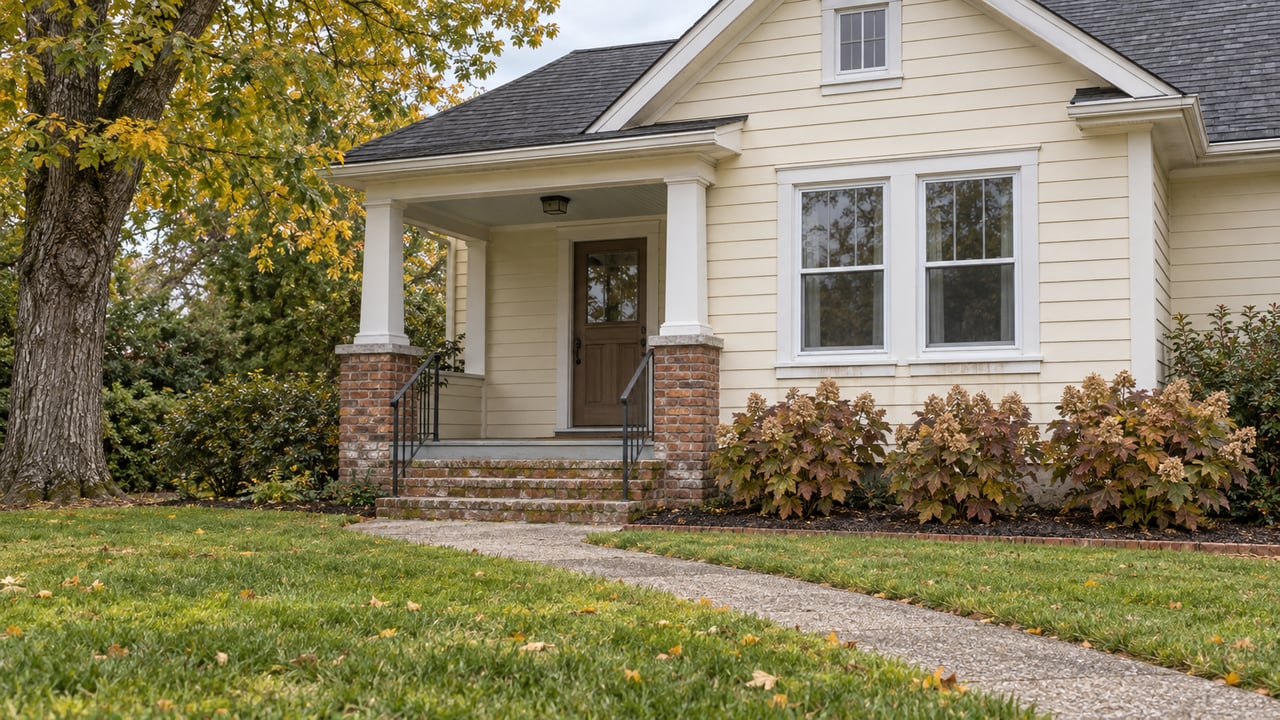
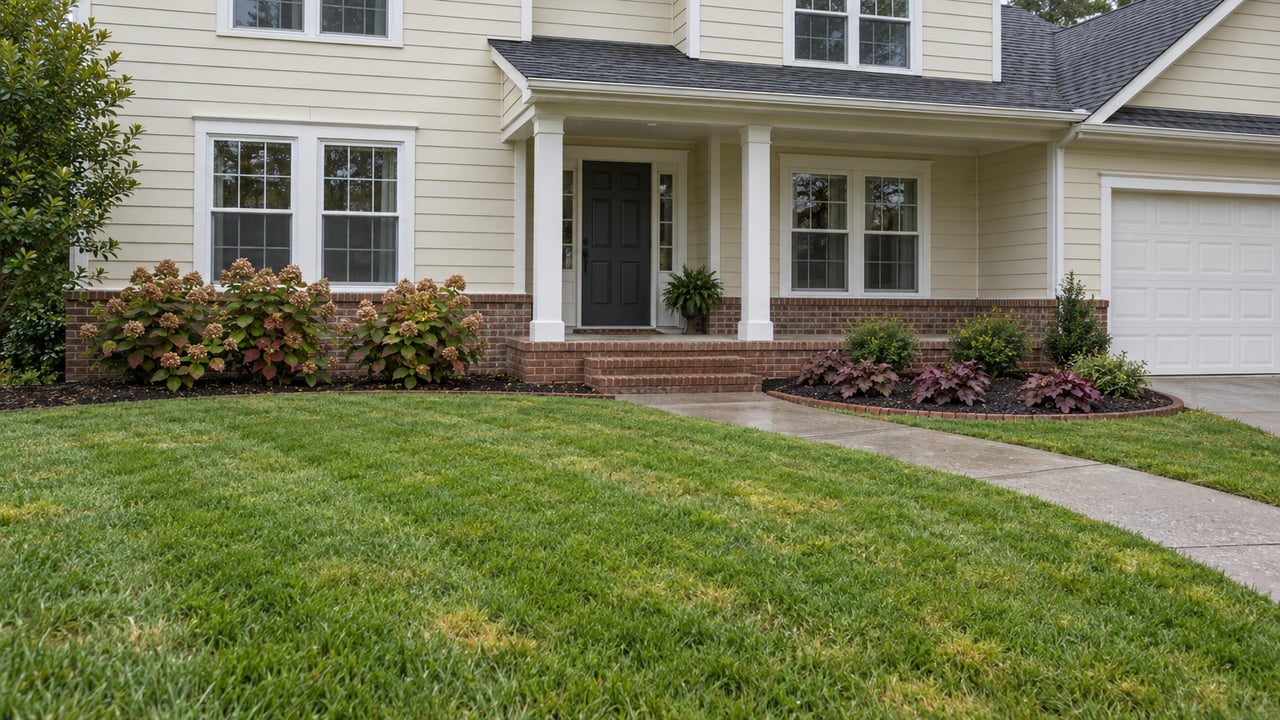
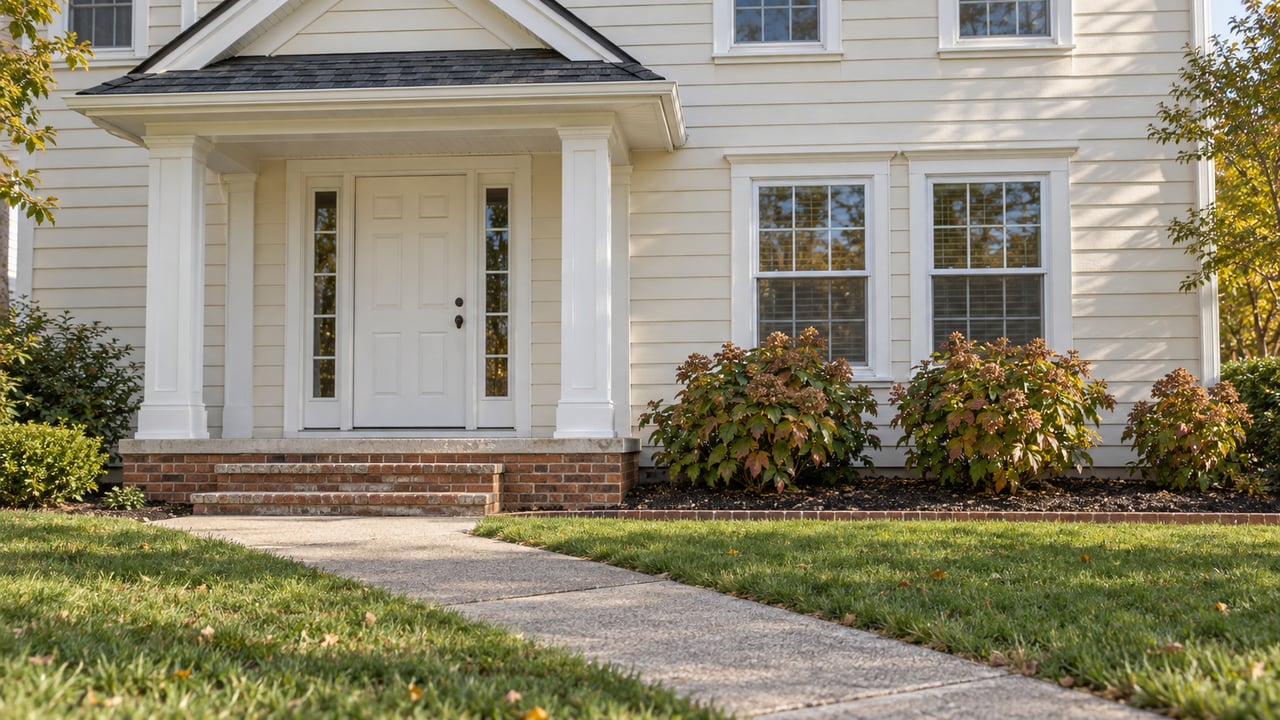
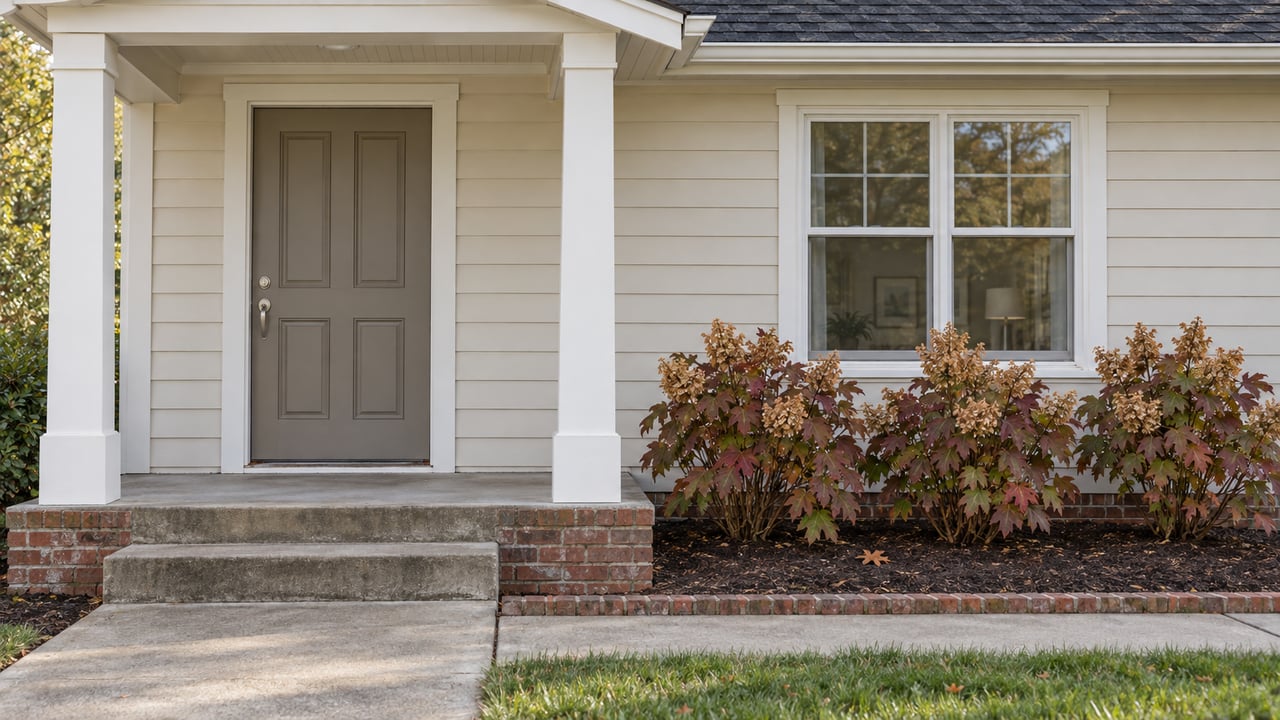
Current listings also show a mix of single-family homes, townhomes, condos, land, and new-construction options. That variety gives buyers room to compare home style, lot size, age, and budget instead of feeling locked into one type of property.
The area has strong owner-occupied character
Census QuickFacts shows a 75.9% owner-occupied rate in White House for 2020 through 2024. The same data shows a median owner-occupied home value of $344,800 and a median gross rent of $1,426.
These figures measure different things, so they should be used as a general market frame rather than a direct side-by-side price comparison. Still, they help show that White House is a place where ownership plays a major role in the housing mix.
Why new construction gets attention here
Growth is part of the story
White House’s population estimate reached 17,872 in 2025, which is 37.3% above the April 2020 base. That kind of growth helps explain why so many buyers look here for newer housing options and why the city’s development pipeline matters.
Planning & Codes handles zoning, subdivision applications, permits, and an active development tracker, and the 2026 Planning Commission schedule requires a preliminary design meeting for new development proposals. For buyers, that signals an active environment where new homes and new communities are part of the local landscape.
Infrastructure is expanding too
Growth is not just showing up in listings. City notices also point to infrastructure projects, including a wastewater treatment plant expansion intended to serve existing and future residents, along with a 2026 Calista Road widening project that includes drainage, sidewalks, striping, and signage.
That does not guarantee the same experience in every part of town, but it does show a city working to support continued residential growth. If you are comparing older suburbs with newer-growth areas, that distinction matters.
How to think about the White House tradeoff
The main White House value proposition is pretty clear. You are trading a fully urban routine for a suburban one that still keeps Nashville within reach.
For the right buyer, that can mean a more comfortable home search, more flexibility in home type, and a daily rhythm that feels easier once you are off the interstate. If your priorities include space, newer housing opportunities, and a practical commuter location, White House deserves a closer look.
If you are also considering new construction, this is where a hands-on buyer’s agent can make a real difference. Having someone who understands builder processes, development patterns, and the realities of a relocation timeline can help you evaluate options with more confidence.
Buying in a commuter suburb is about more than checking mileage on a map. It is about finding a place that supports how you want to live now and how you want your week to feel. If you want expert guidance on White House, new construction, or relocating to the Nashville suburbs, connect with Jacqueline Brown.
FAQs
How long is the commute from White House to Nashville?
- The city describes White House as about a 30-minute drive north of Nashville, while Census data shows a mean travel time to work of 34.7 minutes, so your actual commute will depend on traffic, timing, and your destination.
Is White House a good fit for Nashville-area commuters?
- White House can be a strong fit if you want a suburban, drive-oriented lifestyle with access to Nashville by I-65 and are comfortable with an interstate-based commute.
What kind of homes are available in White House, Tennessee?
- Current listings in White House include single-family homes, townhomes, condos, land, and new-construction properties.
Is White House, Tennessee more suburban or urban?
- White House reads as more suburban, with daily life centered around driving, neighborhood access, parks and recreation, and community services rather than a transit-first routine.
Is White House growing as a housing market?
- Yes. The city’s 2025 population estimate reached 17,872, up 37.3% from the April 2020 base, and local planning and infrastructure activity point to continued residential growth.