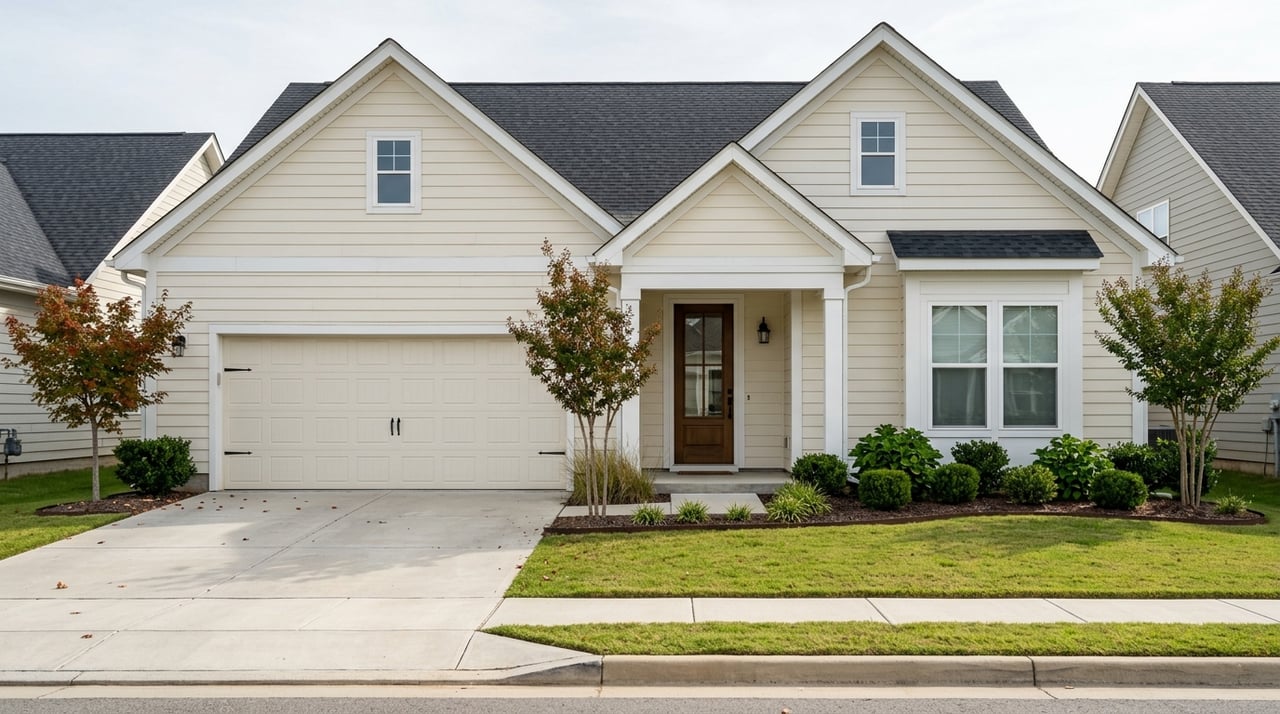
If you are exploring new communities in Gallatin, you are probably trying to answer a practical question: what will daily life actually look like there? That matters even more if you are comparing a townhome, a single-family neighborhood, or a larger master-planned development from out of town. The good news is that Gallatin offers a real mix of options, and once you know what to look for, it gets much easier to narrow the field. Let’s dive in.
Gallatin Offers More Than One Type of Community
One of the biggest surprises for buyers is that “new communities in Gallatin” is not just one thing. The city’s current development pipeline includes detached subdivisions, townhome projects, condominium or apartment phases, and larger mixed-use master plans such as Twin Eagles, Woods Crossing, Bledsoe Springs, Oxford Station, Nexus Tennessee, The Paddock, and Windsong.
That means your experience can vary quite a bit from one community to the next. Some neighborhoods are more traditional suburban developments with single-family homes and larger yards, while others are designed around lower-maintenance living, shared amenities, or a broader live-work-play setup.
Product Type Shapes Your Experience
When you compare Gallatin communities, the biggest differences usually come down to three things:
- yard size
- maintenance level
- access to major commute corridors
In other words, you are often choosing a lifestyle as much as a floor plan. A detached home in one part of Gallatin may feel very different from a townhome community across town, even though both are considered new construction.
Lot Sizes Can Vary More Than Buyers Expect
If yard space matters to you, this is one of the first details to study. Based on current city filings, detached neighborhoods in Gallatin commonly average about 0.35 to 0.50 gross acres per lot, while townhome and attached projects are often closer to 0.10 to 0.18 gross acres per unit.
It is important to note that these are gross site averages. Actual platted lots can be smaller once roads, easements, and open space are carved out of the overall tract.
Detached Homes Usually Mean More Yard
Several current developments show what that looks like in practice. Twin Eagles Phase 15 includes 170 lots on 59.10 acres, which works out to about 0.35 acres, or roughly 15,144 square feet per lot. Woods Crossing comes in at about 0.37 acres per lot, and Oak Hill Phase 3 is closer to 0.49 acres per lot.
For many buyers, that points to a more traditional suburban setup. You may have more outdoor space, more separation between homes, and a different feel than you would find in an attached product.
Townhomes Usually Mean Lower-Maintenance Living
Attached products tend to be more compact. Nexus Tennessee Townhomes show about 0.18 acres per unit, Atlas Townhomes are closer to 0.10 acres, and Oxford Station averages about 0.10 gross acres per unit overall across its townhome and single-family mix.
That smaller footprint often appeals if you want less exterior upkeep and a more lock-and-leave lifestyle. If you are relocating, travel often, or simply do not want to spend weekends handling yard work, this can be a strong fit.
Floor Plans Are Built for Flexibility
New communities in Gallatin are not all offering the same home style, but there are some clear patterns. Across multiple developments, you can expect open-concept living areas, flexible bonus rooms, lofts, and layout options that try to serve changing household needs.
That flexibility matters if you need room for a home office, guests, hobbies, or multi-use space. It is especially helpful for relocation buyers who want a home that can adapt after the move.
Common Features You May See
Based on current community offerings in Gallatin, buyers can expect features such as:
- open-concept main living areas
- one- and two-story plans
- first-floor owner’s suite options in some communities
- flex rooms or bonus spaces
- loft areas in select two-story plans
- layouts ranging from lower-maintenance attached homes to larger detached homes
For example, Bledsoe Springs highlights two-story plans from 2,005 to 2,884 square feet with first-floor owner’s suite options, flex spaces, and lofts. Cumberland Landing includes one- and two-story homes with open-concept layouts, up to five bedrooms, and more than 2,500 square feet. Windsong promotes personalized layouts with up to six bedrooms and over 3,000 square feet.
Some Communities Offer a Broader Mix
A few Gallatin developments go beyond a standard subdivision format. The Paddock includes a varied housing mix with Courtyard, Bungalow, and Villa homes along with more traditional home types. Nexus Tennessee goes even broader with paired villas, townhomes, single-family homes, and a gated active-adult village from multiple builders.
If you want options within one larger setting, these kinds of communities may be worth a closer look. They can offer more housing variety and a more layered neighborhood experience than a single-product subdivision.
Amenities Depend on the Community Model
Amenities are another area where Gallatin communities can differ sharply. A smaller townhome development may focus on convenience and shared outdoor features, while a larger master-planned community may build out recreation spaces, trails, gathering areas, and mixed-use elements over time.
That is why it helps to look past the entrance sign and ask how the community is actually designed to function day to day. The amenity package often tells you a lot about the lifestyle the builder is creating.
What Low-Maintenance Communities May Include
Oxford Station is a useful example of the lower-maintenance townhome model. It advertises:
- a dog park
- paved walking trail and sidewalks
- green spaces
- creek access
- a yoga circle
- included lawn care
- EV-ready wiring options
If your priority is simple upkeep with a few practical shared features, that kind of setup may feel very appealing.
What Master-Planned Communities May Include
Nexus Tennessee reflects the larger master-planned approach. It describes multimodal trails, outdoor recreation areas with fireplaces, amenity centers with resort pools, clubhouse space, and a live-work-play layout. It also frames the community around nearby villages, recreation centers, business parks, medical centers, and everyday services.
That type of development can offer a more all-in-one feel. If you like the idea of recreation, gathering spaces, and daily conveniences being part of the broader plan, this model may stand out.
Location Within Gallatin Still Matters
Even if two homes are both in Gallatin, their day-to-day convenience may not feel the same. Some communities market access to downtown Gallatin, retail, state park recreation, or Old Hickory Lake as part of the lifestyle picture.
For example, Bledsoe Springs highlights access to downtown Gallatin, The Shops at Windsong, Bledsoe Creek State Park, and Old Hickory Lake. The Paddock is described as a lifestyle mixed-use community on the shores of Old Hickory Lake between Kennesaw Farms and Westfield.
Commute Expectations Are Corridor-Driven
If you work in Hendersonville, Nashville, or elsewhere in the metro, commute planning should be part of your search early on. In this part of Middle Tennessee, the route often matters just as much as the mileage.
TDOT identifies State Route 386 and Vietnam Veterans Parkway as key links connecting Gallatin and Hendersonville to I-65, and projects are actively moving forward on both SR 386 and the I-65 corridor north of Nashville. That means traffic patterns and construction activity can shape your drive in a very real way.
Typical Drive Times to Know
Current travel-time references put:
- Gallatin to Hendersonville at about 20 minutes via US 31E
- Gallatin to Nashville at roughly 35 to 40 minutes by car depending on route and traffic
Some individual community marketing also references around 30 minutes to Briley Parkway and downtown Nashville. The bigger takeaway is simple: exact commute time will vary by neighborhood, route, and time of day.
Development Phases Can Change What You Get
One detail many buyers miss is that Gallatin uses a phased subdivision process. The city’s process includes a sketch plan, a preliminary plat or master utility plan, and then a final plat. The final plat is what creates the individual lots and easements.
For you as a buyer, that means the specific phase can matter a lot. The lot shape, surrounding streets, placement of open space, and overall neighborhood feel may depend more on the phase you buy in than on the community name alone.
What Buyers Should Focus On First
When you tour new communities in Gallatin, it helps to keep your checklist simple. Instead of trying to compare everything at once, focus on the items that will most affect your day-to-day life.
Start with these questions:
- Do you want a detached home or attached product?
- How much yard do you really want to maintain?
- Would lawn care or HOA-managed upkeep make life easier?
- Do you want amenities, or would you rather prioritize lot size?
- How important is quick access to SR 386, US 31E, or I-65?
- Are you comfortable with a community that is still building out in phases?
Those answers usually point you toward the right product type very quickly.
Why a Local New-Construction Guide Helps
Gallatin gives buyers real variety, which is a plus, but it can also make the search feel more complicated. Two homes with similar square footage may offer very different yard sizes, HOA structures, amenity packages, and commute experiences.
That is where a buyer-focused approach matters. If you are relocating or buying new construction for the first time, having someone help you compare lot realities, community phases, builder offerings, and the practical side of daily living can save you time and stress.
If you want help sorting through Gallatin’s new communities and finding the right fit for your move, Jacqueline Brown can help you compare neighborhoods, understand new-construction tradeoffs, and move forward with confidence.
FAQs
What types of new communities are available in Gallatin?
- Gallatin’s current development pipeline includes detached subdivisions, townhome projects, condominium or apartment phases, and larger mixed-use master-planned communities.
What lot sizes should buyers expect in Gallatin new construction?
- Detached neighborhoods commonly average about 0.35 to 0.50 gross acres per lot, while townhome and attached projects are often closer to 0.10 to 0.18 gross acres per unit.
What floor plans are common in Gallatin new communities?
- Many new homes in Gallatin feature open-concept layouts, one- and two-story plans, flex spaces, lofts, and options that range from lower-maintenance attached homes to larger detached homes.
What amenities do Gallatin new communities usually offer?
- Amenities vary by community, but buyers may see features such as walking trails, sidewalks, green spaces, lawn care, dog parks, pools, clubhouse spaces, and recreation areas depending on the development style.
What is the commute like from Gallatin to Hendersonville or Nashville?
- Current travel references put Gallatin about 20 minutes from Hendersonville via US 31E and roughly 35 to 40 minutes from Nashville by car, though route choice, traffic, and corridor construction can affect actual drive times.
Why does the phase matter in a Gallatin new community?
- Gallatin uses a phased subdivision process, so the specific phase can influence lot layout, easements, street patterns, and the overall feel of the section where you buy.